 ACE Telemedicine
© 2026 ACE Telemedicine. All rights reserved.
Jun 19, 2026 07:23:03 AM
Standardize Discharge Planning With Virtual Case Managers to Reduce LOS
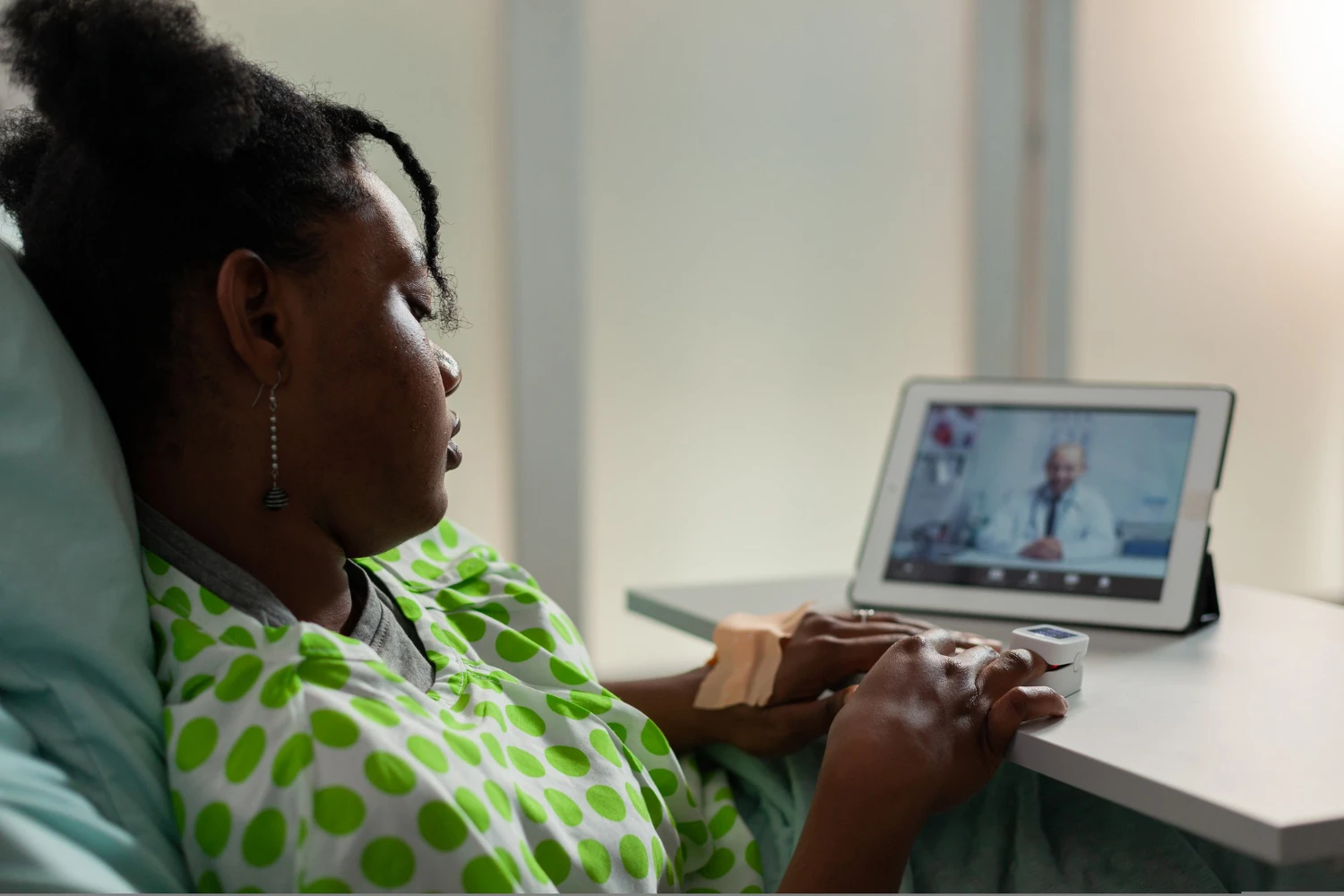
Virtual Case Managers That Keep Discharges Moving
Hospitals feel the squeeze long before winter respiratory season hits. As days get longer and families travel, emergency departments fill up, inpatient beds stay packed, and staffing gaps suddenly feel bigger. When discharge planning is slow or messy, everything backs up, from the ER waiting room to the ICU.
A lot of the delay happens for very avoidable reasons. Orders get written late. Paperwork is missing. Prior authorizations are not started in time. Post-acute partners do not have the information they need. When this happens across dozens of patients, it quietly adds hours and sometimes full extra days to length of stay.
Discharge planning telemedicine brings in virtual case managers to keep those pieces moving. Instead of relying only on who is physically on the unit, hospitals add a remote team that follows a standard playbook, every day of the week, including evenings, weekends, and holidays. At ACE Telemedicine, we focus on this model, with virtual case managers connected to the EHR and working side by side with on-site teams from admission through post-acute transition.
Why Discharge Planning Breaks Down at the Bedside
Traditional discharge planning often depends on who happens to be on the unit that day. Handoffs between bedside nurses, case managers, and physicians can be uneven. One person thinks another owns a task, and suddenly a key step is missed until late in the stay.
Common failure points include things like:
- Discharge needs not discussed until the day of discharge
- DME and home support needs found at the last minute
- Prior auths started only after orders are placed
- Transport booked late in the afternoon instead of early in the day
These gaps turn into long discharge order-to-departure times. Patients sit for hours waiting on approvals, transport, or final instructions. Afternoon bottlenecks build up, and discharge times bounce all over the place. Weekends can be even slower, then Monday morning arrives with a crowded ER and boarded patients waiting for beds.
There is also a human side. On-site case managers juggle new admissions, discharge planning, family meetings, and complex psychosocial needs. Bedside nurses manage meds, procedures, admits, and questions from worried families. Keeping a consistent discharge process across all units and shifts is hard when everyone is stretched thin.
This is where a virtual, process-driven layer helps. A telemedicine case management team brings a clear set of steps, real-time visibility in the EHR, and defined accountability for getting each discharge over the finish line.
Designing a Standard Tele-Discharge Workflow That Works
A strong tele-discharge workflow begins early, not on the last day of the stay. From the moment a patient is admitted, we can start shaping what a safe, on-time discharge will look like.
A best practice flow usually includes:
- Early discharge criteria flagged at admission
- A virtual case manager review on day 1
- Daily touchpoints with the multidisciplinary team
- Ongoing tracking and clearing of discharge barriers
Virtual case managers follow standard steps such as:
- Checking benefits and coverage for likely post-acute needs
- Coordinating with SNFs, home health, and DME vendors
- Confirming transport plans and caregiver support
- Making sure patient and caregiver teaching is done and documented
These steps are guided by checklists, templates, and order sets inside the EHR, tuned to each service line like medicine, surgery, cardiology, or pulmonary. Instead of each unit making up its own process, everyone sees the same standard path, with room for clinical judgment where needed.
Timing matters too. When we pull key tasks earlier in the stay, we can target morning discharge readiness. Virtual coverage helps keep momentum going in the evenings and on weekends, so a Friday admission is not automatically stuck until Monday just because no one had time to set up post-acute care.
Smart Escalation Pathways That Prevent Last-Minute Delays
Even with good planning, barriers pop up. The difference between a smooth discharge and a late-day scramble is how those barriers are escalated.
With a structured escalation pathway, virtual case managers know exactly:
- When to loop in the hospitalist or specialist
- When to involve bedside nurses, social work, or pharmacy
- When to request help from unit leadership for stuck cases
For example, if a post-acute bed is not secured by a set time the day before discharge, that triggers an escalation to the appropriate team. If clinical criteria for discharge are still unclear after rounds, there is a defined way to get answers quickly. If transport is not booked by mid-morning, that is flagged so the team can adjust plans before the end of the day.
Communication is standard instead of ad hoc. Secure messaging channels, short virtual huddles, and agreed response times turn “workarounds” into reliable processes. Each escalation event also becomes a data point. Over time, patterns appear, such as certain units that often run into late prior auths, or certain times of day when transport delays spike. That feedback helps refine protocols before busy summer weeks or during respiratory season.
EHR Integration That Makes Tele-Discharge Feel Local
For tele-discharge to work, virtual case managers need to function like they are right there on the unit. Deep EHR integration is what makes that possible.
With full access, virtual case managers can see:
- Clinical notes, labs, and consults in real time
- Discharge orders as soon as they are placed
- Utilization review and documentation that may affect post-acute plans
Best practices in the EHR include tools such as discharge readiness dashboards, standard documentation templates for case management, and order sets for common post-acute pathways. Automated alerts for target discharge dates help everyone stay aligned on the plan.
Integration also supports continuity as patients move across settings. Electronic handoffs to SNFs and home health, digital discharge instructions, and scheduled follow-up telehealth visits all live in the same system. This makes it easier to track time stamps, flag LOS outliers, and spot delays that can be fixed through telemedicine support.
Measuring Impact and Putting Virtual Case Managers to Work
To understand impact, hospitals can watch a set of clear metrics. These often include average and median LOS by DRG, discharge order-to-departure time, weekend versus weekday discharge volumes, avoidable day rates, and 7- and 30-day readmissions. When discharge planning telemedicine is piloted on specific units, leaders can compare results before and after, then decide how to scale.
Operationally, smoother discharge planning frees beds for higher-acuity patients, reduces ER boarding time, and cuts down on last-minute chaos for on-site teams. Many staff members feel relief when discharges are more predictable and spread across the day instead of stacking up after lunch. Patients feel the difference too, with clearer instructions, fewer gaps in follow-up, and better understanding of what comes next.
Getting started often means assessing where delays are happening now, choosing priority units like medicine, pulmonary, or post-surgical, and setting clear governance and escalation rules for virtual case managers. As a partner focused on telemedicine for hospitals and health systems, ACE Telemedicine works with teams to shape workflows, build EHR tools, and bring in specialized virtual clinicians who can support a standardized tele-discharge program before the next seasonal surge hits.
Streamline Safe Patient Transitions With Expert Virtual Support
If you are ready to make discharges safer, faster, and more coordinated, our discharge planning telemedicine services can help you close critical gaps in care. At ACE Telemedicine, we work alongside your team to clarify follow-up needs, medications, and resources before patients leave your facility. We tailor each virtual discharge plan to your workflows so adoption is straightforward for clinicians and staff. To discuss your goals and get started, contact us today.